The Future of Repair Careers Is Hands-On
The future of repair careers favors technicians who can diagnose smart appliances, use AI wisely, and turn reliable service calls into income long term.
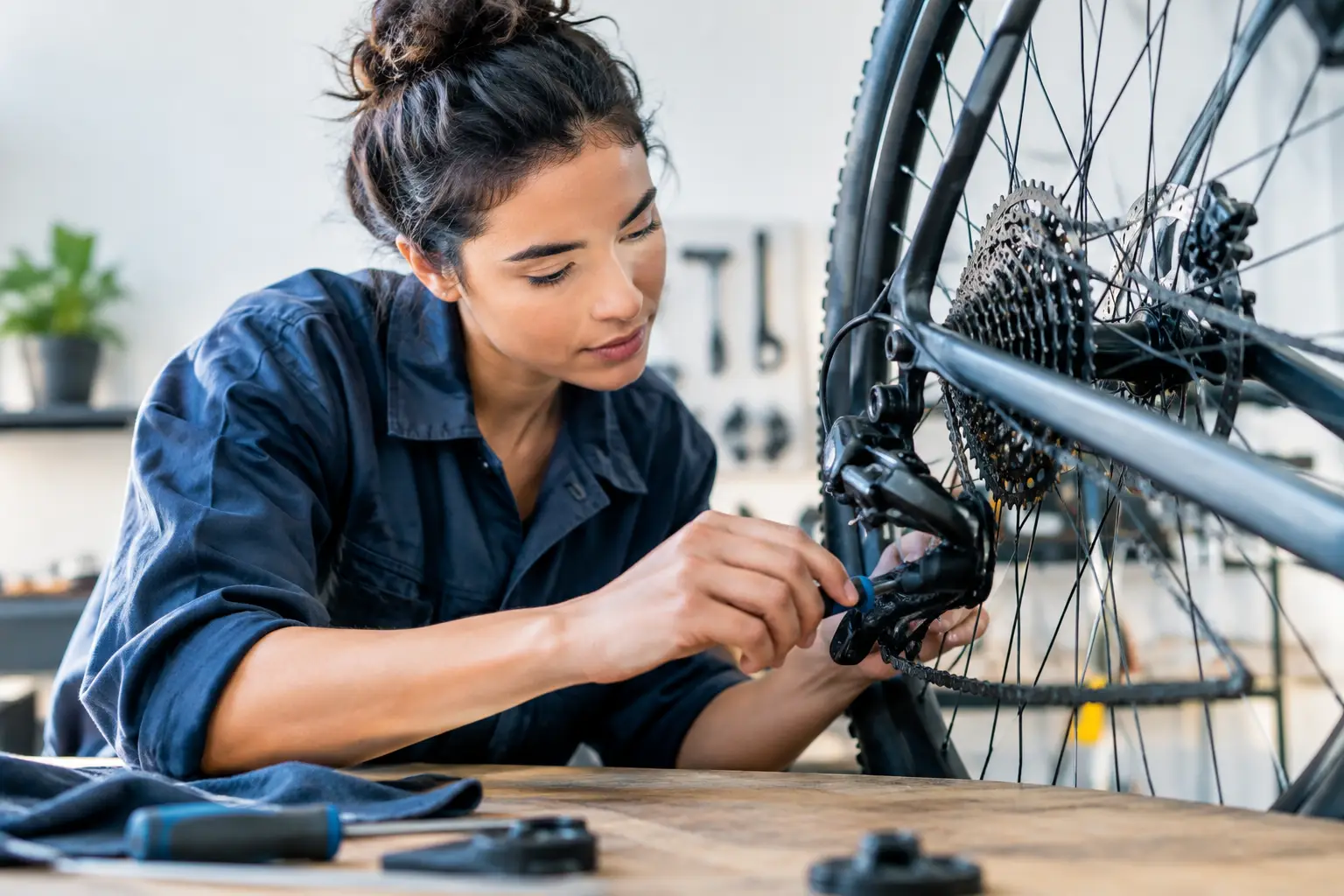
A refrigerator with a variable-speed compressor, a Wi-Fi-enabled range, or a washer throwing an intermittent communication code does not repair itself. The future of repair careers belongs to technicians who can safely test the machine, interpret the data, explain the problem to a customer, and complete the job without guessing.
That is good news for people looking for work that is practical, income-producing, and difficult to outsource. Appliances remain in American homes, rental properties, restaurants, and laundry rooms. As equipment becomes more electronic, the need for capable field technicians grows beyond basic part swapping. The work is changing, but it is not disappearing.
Why the Future of Repair Careers Is Strong
Appliance repair sits at the intersection of a few durable realities. People need refrigeration, cooking, laundry, and dishwashing equipment working now. Replacing every failed appliance is expensive, especially when the issue is a failed sensor, worn door seal, damaged wiring connection, drain restriction, or control-related fault that can be diagnosed and repaired.
Modern appliances are also more complicated than the machines many homeowners remember. Electronic control boards, inverter systems, thermistors, error-code systems, pressure sensing, and smart features create more diagnostic information, but they also create more ways for a machine to fail. A technician has to know what to test before ordering a part. That skill protects the customer from unnecessary costs and protects the technician's margin.
The career case is not built on the idea that every service call is easy. It is built on the fact that machines still require physical inspection, electrical testing, safe disassembly, functional verification, and clear communication at the customer's home or business. A remote support agent can help interpret a code. They cannot use a multimeter at the unit, check a compressor circuit, identify a damaged harness, or confirm that a dishwasher fills, washes, drains, and seals correctly after repair.
For career changers, that makes appliance repair a compelling lane. You can develop a specialized skill set without committing years to a traditional degree path. You can pursue employment with an established service company, build experience under a senior technician, or work toward independent ownership. The right path depends on your risk tolerance, local demand, tool budget, and preference for steady employment versus business responsibility.
AI Will Raise the Value of Skilled Technicians
AI is often discussed as if it will erase careers. In appliance repair, it is more likely to separate organized technicians from technicians who rely on memory, guesswork, and scattered paperwork.
A practical AI tool can help identify a visible component, surface likely fault paths from an error code, pull up wiring references, guide a meter test, and turn job notes into customer-ready documentation. That can save time between the first symptom and the first meaningful test. It can also help newer technicians build better habits while they are still learning diagnostic sequence.
But AI cannot replace technician judgment. A photo does not always reveal a loose connection behind a panel. An error code can point to several possible causes. A wiring diagram is only useful when the person holding the meter understands voltage, resistance, continuity, and safe test conditions. The technician still owns the diagnosis.
That distinction matters. The technician of the future will not be less hands-on. They will be more capable because they can combine field experience with faster access to technical information. Instead of spending ten minutes hunting for a service document, they can spend that time testing the correct circuit, explaining options to the customer, or moving to the next call.
The strongest workflow looks like this: verify the complaint, inspect for obvious mechanical or installation issues, review fault information, test the relevant circuit or component, confirm the failed part, complete the repair, and document the result. AI can support every stage. It should never replace lockout/tagout procedures, electrical safety, or proof that the repair actually solved the problem.
The Skills That Will Keep Technicians Billable
Future-ready repair careers are built on diagnostic fundamentals, not brand trivia alone. A technician who understands electrical principles can adapt when a manufacturer changes a control layout or introduces a new feature. A technician who only memorizes common parts will struggle when the symptom does not match the usual answer.
The highest-value foundational skills include:
- Safe work practices, including lockout/tagout awareness and correct use of test equipment
- Multimeter use for voltage, resistance, continuity, and component verification
- Diagnostic workflows that move from symptom to testable cause
- Refrigeration and sealed system fundamentals, including when to escalate specialized work
- Reading wiring diagrams, technical sheets, and fault-code information
- Customer documentation, estimates, and clear repair recommendations
These skills transfer across appliance categories. A laundry technician needs to understand motors, lid switches, drain systems, heating circuits, and control logic. A refrigerator technician may work through thermistor diagnostics, defrost systems, fans, ice makers, and compressor-related concerns. A dishwasher or range repair can require the same disciplined approach to power supply, wiring, sensors, switches, and controls.
There is a trade-off: broad competence takes more effort than learning one narrow repair. But it also creates more earning options. A technician who can confidently handle laundry, refrigeration, cooking equipment, microwaves, and dishwashers can serve more households and reduce downtime between calls.
The Real Opportunity Is Service, Not Just Repairs
The future of repair careers is also a business opportunity. Homeowners do not simply pay for a part installation. They pay for a professional who arrives prepared, protects the work area, identifies the issue, communicates clearly, and leaves behind a working appliance or an honest next-step recommendation.
That customer experience is where independent technicians can build a reputation. Job ticketing, before-and-after photos, model and serial documentation, approved estimates, and detailed service notes make a small operation look organized because it is organized. They also create a record that helps with callbacks, warranty questions, and repeat business.
A six-figure path is possible in appliance repair, but it is not automatic. It depends on the local market, billable hours, pricing discipline, repair mix, travel radius, parts sourcing, and your ability to manage customers as well as machines. Working for a service company may offer a faster route to paid field experience and less administrative pressure. Ownership can offer more control over schedule and income, but it adds responsibility for insurance, scheduling, marketing, taxes, callbacks, and cash flow.
Neither choice is permanent. Many technicians begin in employment, sharpen their diagnostic speed, learn how real service operations run, and later decide whether to remain on a team or build their own route. The key is entering the field with skills that make you useful from the first service call, not just familiar with appliance terminology.
Training Has to Mirror the Job
Watching repair videos can introduce concepts, but it does not create a repeatable process under customer-facing conditions. Real training should move from safety and electrical testing into appliance systems, diagnostic decisions, and business operations. It should make you practice what to do when a symptom, error code, meter reading, and customer report do not perfectly agree.
That is why scenario-based learning matters. A technician needs more than the answer to a common failure. They need to know what to test first, what result would change the next step, when a repair is unsafe or uneconomical, and how to document their findings. Those are field skills.
Appliance Repair Academy structures that progression into a 12-week program covering electrical fundamentals, laundry appliances, refrigeration, cooking equipment, microwaves, dishwashers, diagnostics, customer documentation, and repair-business operations. Students work through more than 80 simulations, graded coursework, and a 75-question final certification assessment. The program also includes 12 months of access to the Appliance Repair Assistant AI app, connecting hands-on training to practical support for live service workflows.
The market does not need more people willing to replace parts at random. It needs technicians who can arrive with a process, test with confidence, and make sound recommendations. That is a career foundation that holds up as appliances become smarter.
If you want work where your judgment produces a visible result, explore the career training content from Appliance Repair Academy and use the Appliance Repair Assistant app alongside hands-on practice. The next generation of repair technicians will be the people who learn the tools, do the testing, and earn trust one completed service call at a time.